The short answer
Bifold doors are worth it when you have a wide opening you genuinely want to open up, and less worth it when the opening is narrow or the doors will mostly stay shut. Their appeal is the ability to fold a whole wall of glass aside, joining a kitchen-diner to the garden — something no other door does as completely. That suits open-plan extensions and homes used for entertaining. But bifolds cost more per metre than French or sliding doors, show more frame when closed, and have more moving parts to maintain. If the opening is under about 2m, or you mainly want light and a view rather than a big opening, a French door or slider often gives most of the benefit for less. The honest answer depends on the opening and how you will use the room.
"Worth it" depends entirely on your opening and how you live. The sections below set out when bifold doors justify their cost, when a cheaper door does the same job, and the running costs buyers tend to forget.
When bifolds are worth it
- Strongest valueWide openings, open-plan rooms
- Less valueNarrow openings, doors kept shut
- Typical cost£3,000-£10,000+ fitted
- AlternativeFrench or sliding door
- Key driverOpening width and use
When bifolds justify the cost
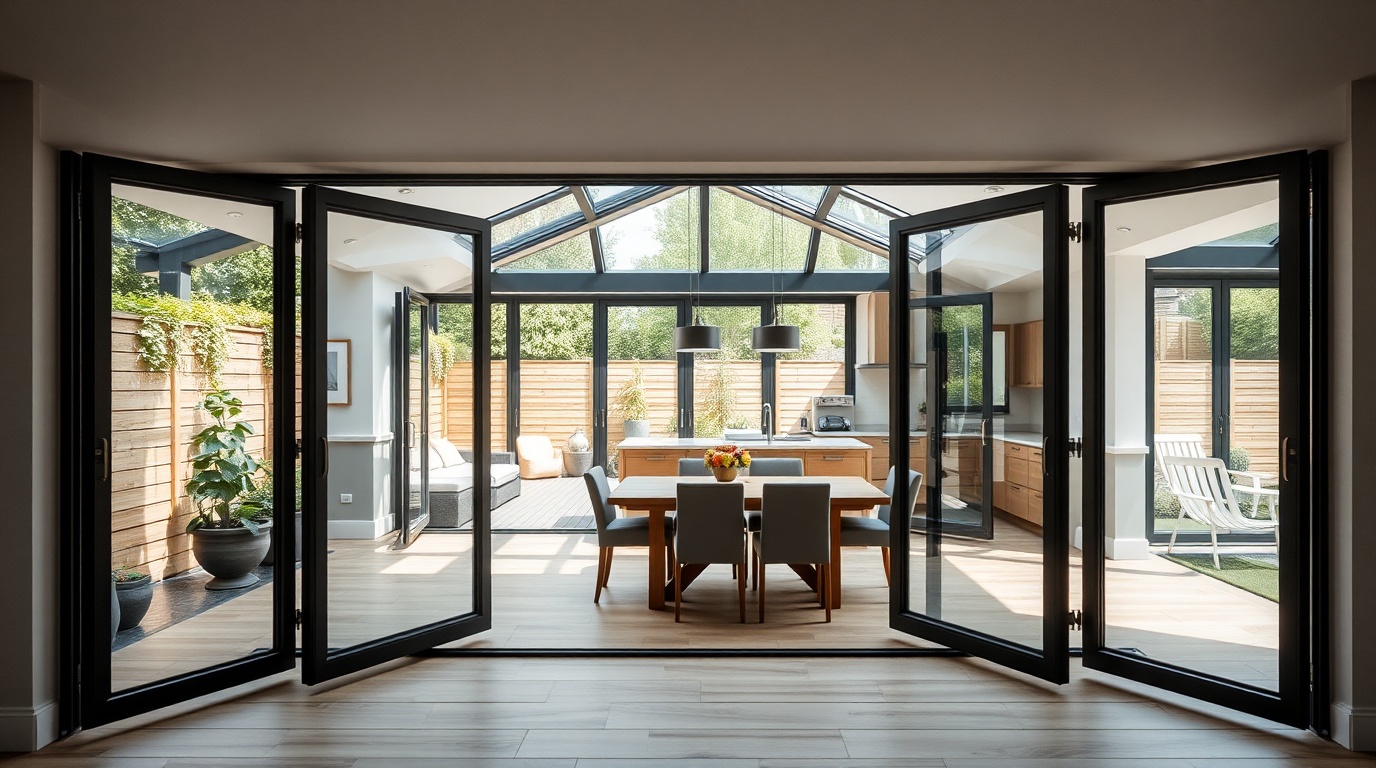
Bifolds earn their money in specific situations. The clearest is a wide opening — typically 3m or more — leading from an open-plan kitchen-diner to a patio or garden, in a home where you genuinely want to throw the wall open in good weather. That is the one thing bifolds do better than anything else: a four- or five-panel set folds back to clear up to about 90% of the opening, so inside and outside become one space. For families who entertain, or extensions designed around indoor-outdoor living, that experience is what they are paying for and it is hard to replicate.
They also add a strong visual and lifestyle appeal that can support a home's saleability, and quality aluminium systems are durable and low-maintenance over their life. If your opening and lifestyle fit, bifolds are usually money well spent.
When a cheaper door is better value
For many homes, a bifold is more than the situation needs. If the opening is under about 2m, French doors give most of the benefit at a fraction of the cost and show less frame when closed. If you mainly want light and a view rather than a wide opening — and the doors will spend most of the year shut — a sliding door delivers a cleaner glazed view for similar or less money. And if budget is the main constraint, the money saved by choosing French or sliding doors can go toward better glazing or a nicer floor.
| Situation | Likely strongest value |
|---|---|
| Wide opening, open-plan, entertaining | Bifold |
| Narrow opening (under ~2m) | French doors |
| View matters more than opening | Sliding door |
| Tight budget | French or sliding |
| Doors mostly stay closed | French or sliding |
Indicative guidance — the right answer depends on your specific opening and use.
Costs people forget
The headline supply-and-fit figure — commonly £3,000 to £10,000-plus depending on size, material and glazing — is not the whole story, and a few costs catch buyers out. Structural work is often the big one: widening an opening usually needs a steel beam and possibly building control sign-off, which can add a substantial sum on top of the doors themselves. A flush threshold for level access needs careful drainage and sometimes additional groundwork. Glazing upgrades — solar-control glass to limit overheating, or triple glazing for warmth — add cost but matter for comfort in a large expanse of glass.
There are running considerations too. A big area of glass can make a room hotter in summer and harder to keep warm in winter unless the glazing is specified well, so heating and blinds may add to the long-term cost. And bifolds have more moving parts than a French or sliding door, so periodic adjustment and cleaning of hinges, rollers and tracks is part of owning them. None of this means bifolds are not worth it — but a realistic budget should include the opening works and glazing, not just the door price.
Frequently asked questions
Are bifold doors a good investment?
They can be, especially on a wide opening in an open-plan home, where they add appeal and a strong indoor-outdoor lifestyle feature. They are less of a good investment on a narrow opening or where a cheaper French or sliding door would serve the same purpose.
Why are bifold doors so expensive?
Bifolds have more panels, hinges, rollers and a more complex track than a French or sliding door, and quality aluminium systems use precision-engineered components. Widening the opening for a wide set often needs a structural beam, which adds further cost on top of the doors.
Is it worth getting bifolds for a small opening?
Usually not. On an opening under about 2m the folding benefit is limited and French doors give a similar result for much less, with less frame when closed. Bifolds make most sense once the opening is wide enough to benefit from folding several panels aside.
Sources & further reading
Figures on this page are typical UK ranges drawn from published sources and depend on your specific opening and material. They are guidance, not a quotation.